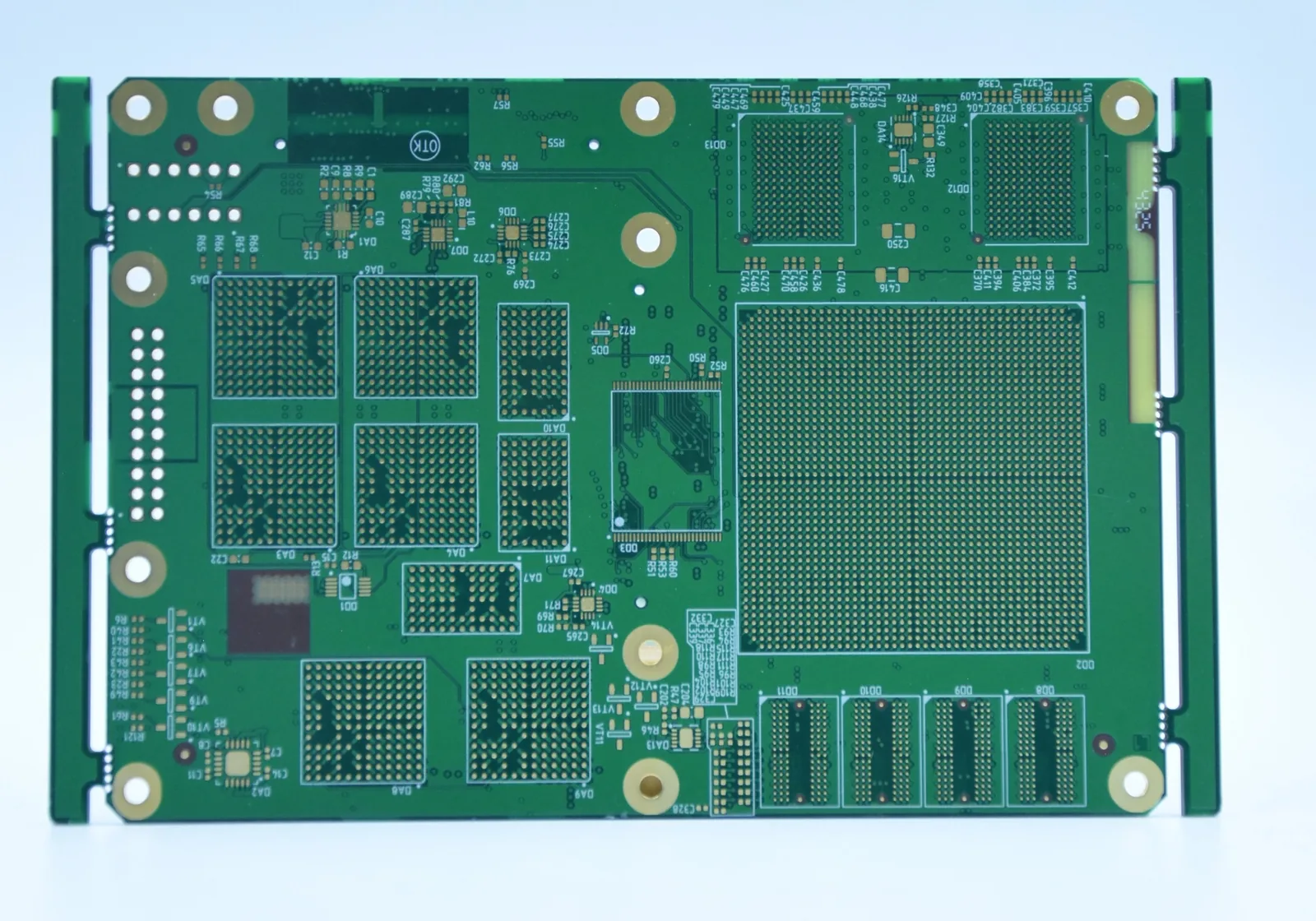
Backdrilling: Stub Length, Depth Control and When It Pays
A residual stub notches the channel at 36 GHz per millimetre on FR-4, so drill depth is a channel-budget decision before it is a process one.
Read article


Two to 32 layers, HDI, rigid-flex, heavy copper and Rogers hybrids, fabricated and assembled at one address. We quote against your stack-up and name the limit your design sits closest to, so the first conversation is about the constraint rather than the price list.
Most builds that go wrong do so at a handover: the board shop holds ±10% on impedance, the assembler discovers the pad geometry cannot take the part, and neither conversation happened before the panel was cut. Running both processes in one plant removes the handover, so the stack-up, the stencil and the test fixture are reviewed by people who can see each other.
The published limits are the ones we can hold on a production lot rather than the ones that look good on a landing page: 0.075 mm line and space on thin copper, 12:1 aspect ratio as standard, ±5% impedance with a TDR coupon per lot, and 28 GHz verified on Rogers coupons where the channel needs evidence.
Quotes come back in 24 hours because the review happens before the quote is written. Send Gerbers, the stack-up and the quantity; what comes back names the process window being applied, the finish, and the one parameter most likely to move your yield.
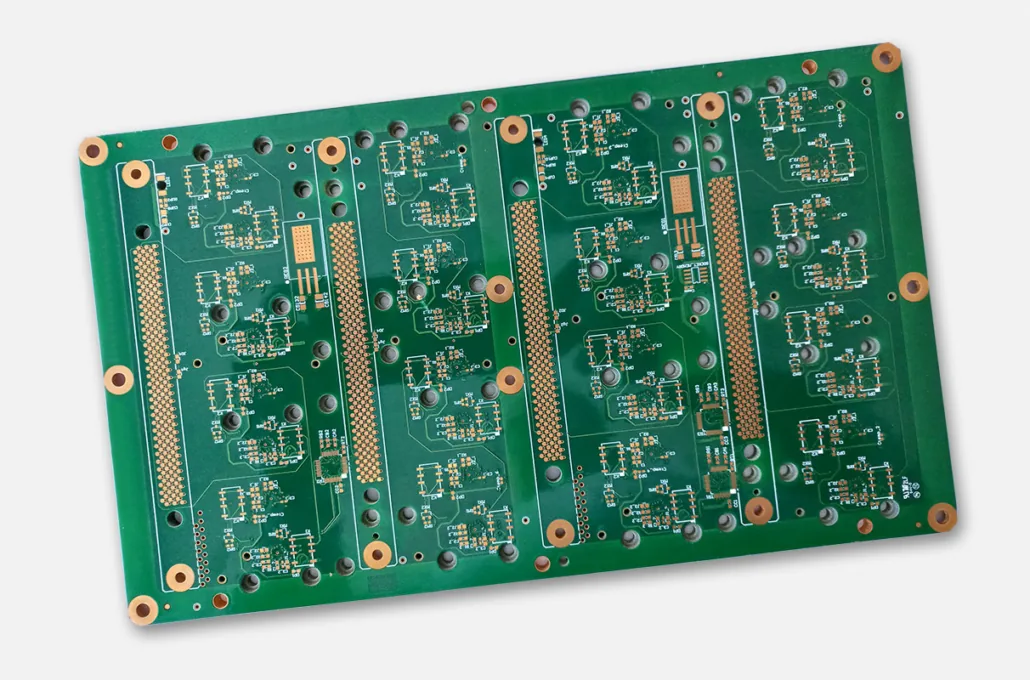
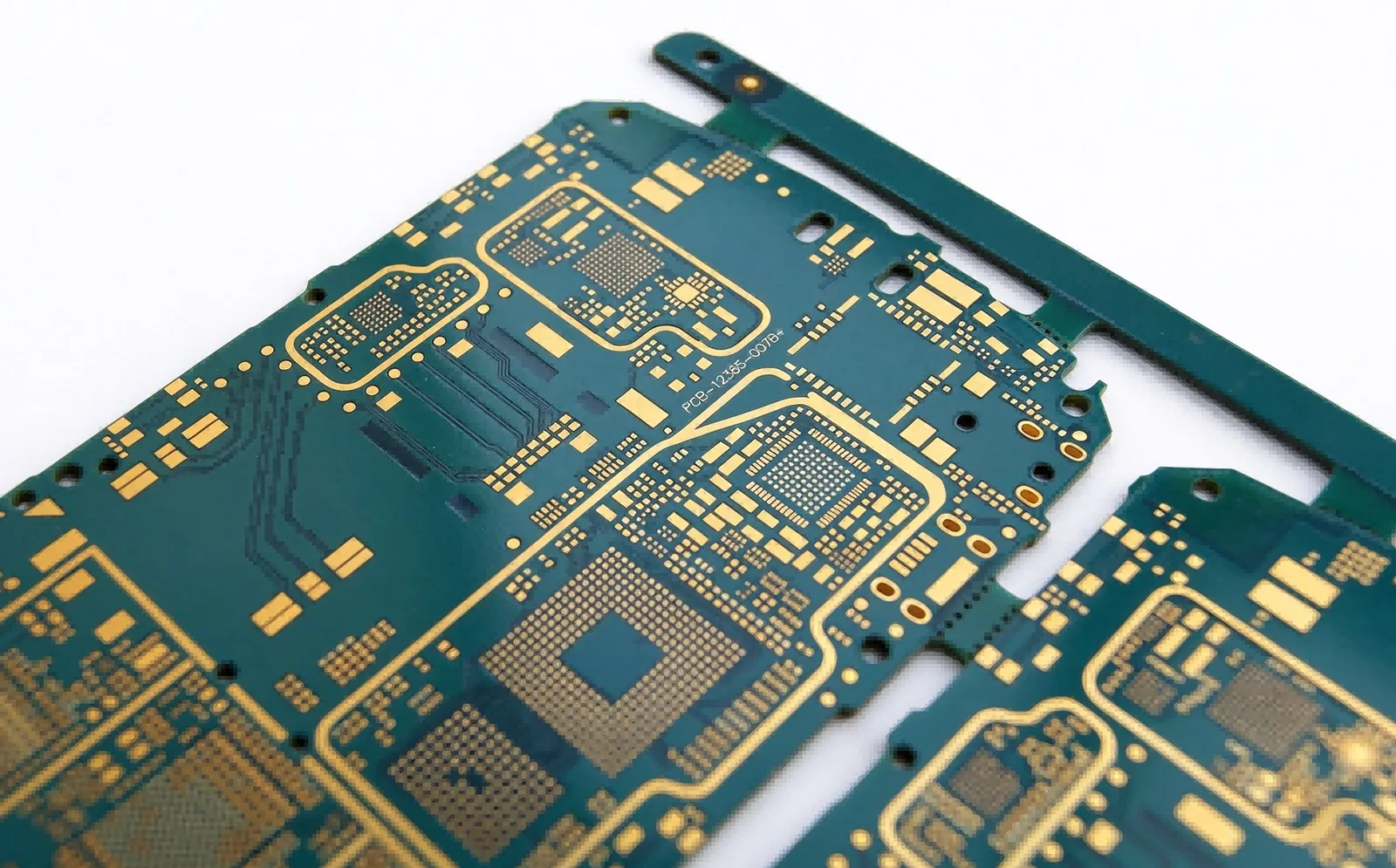
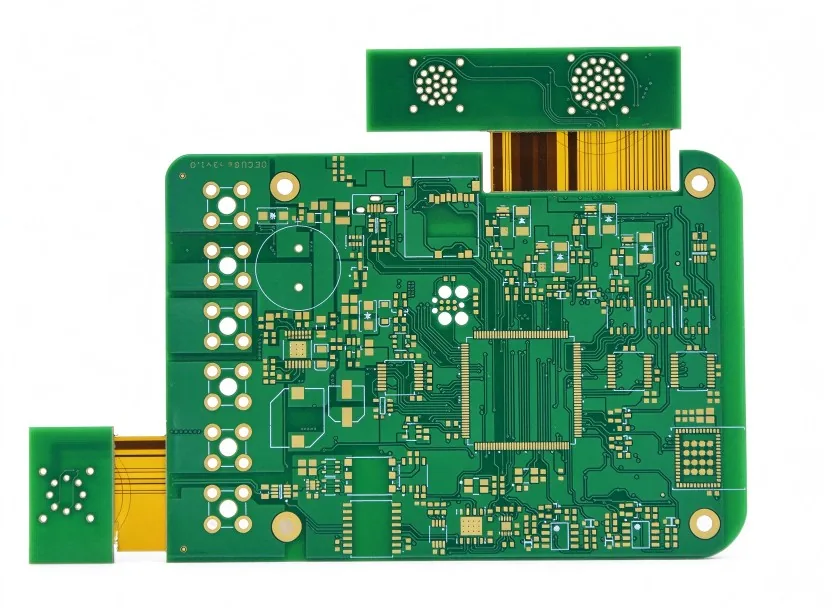
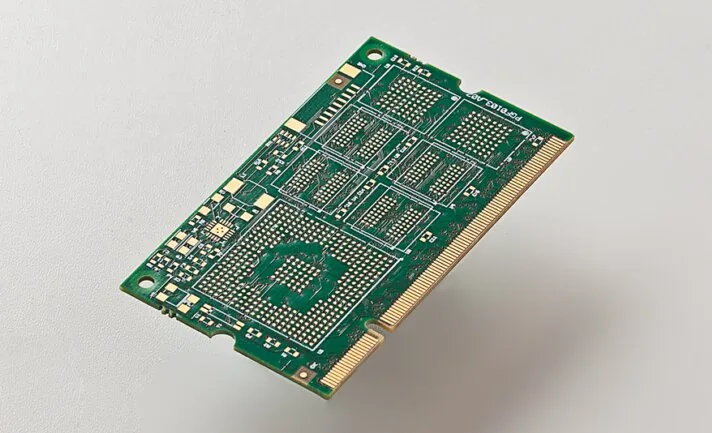
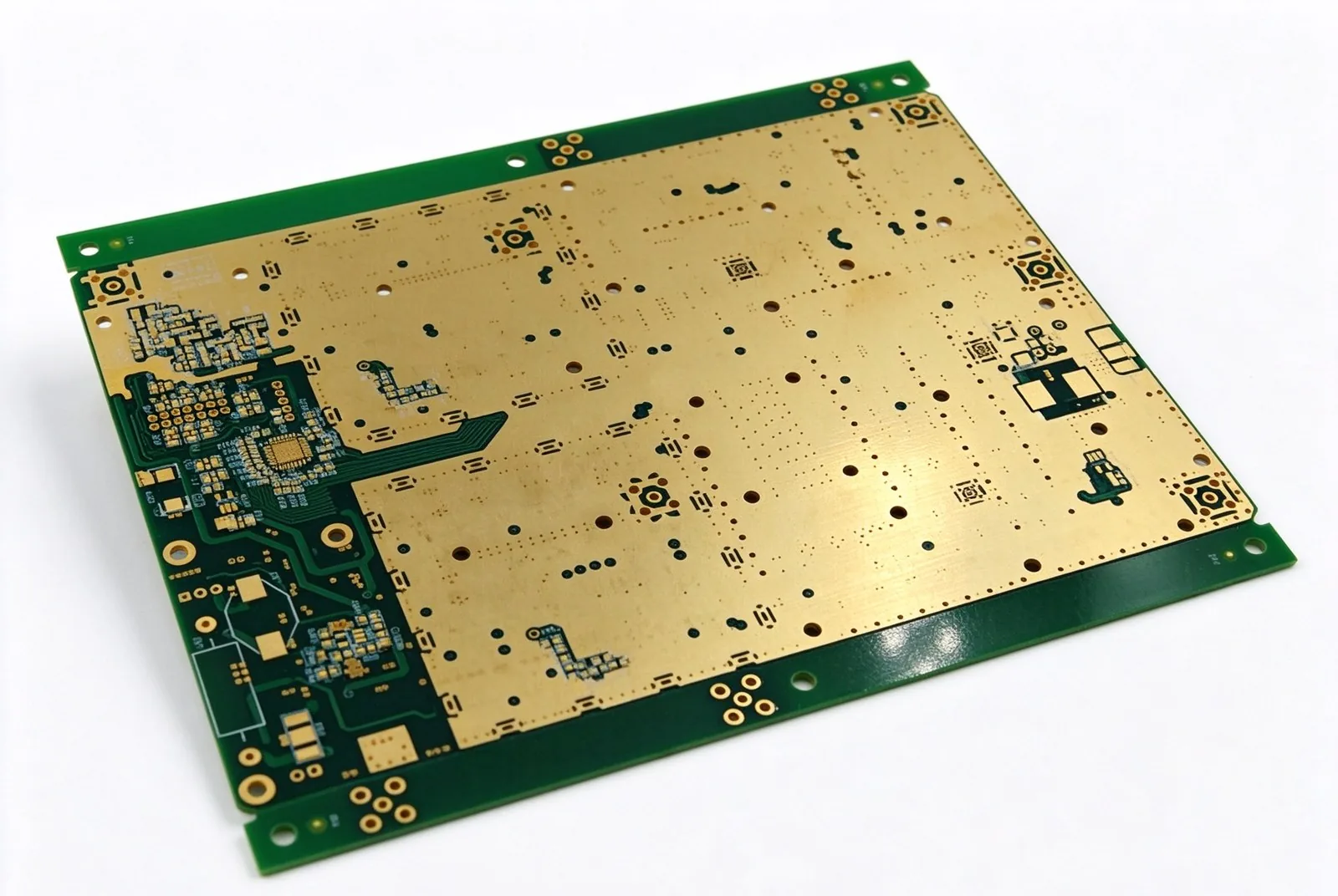
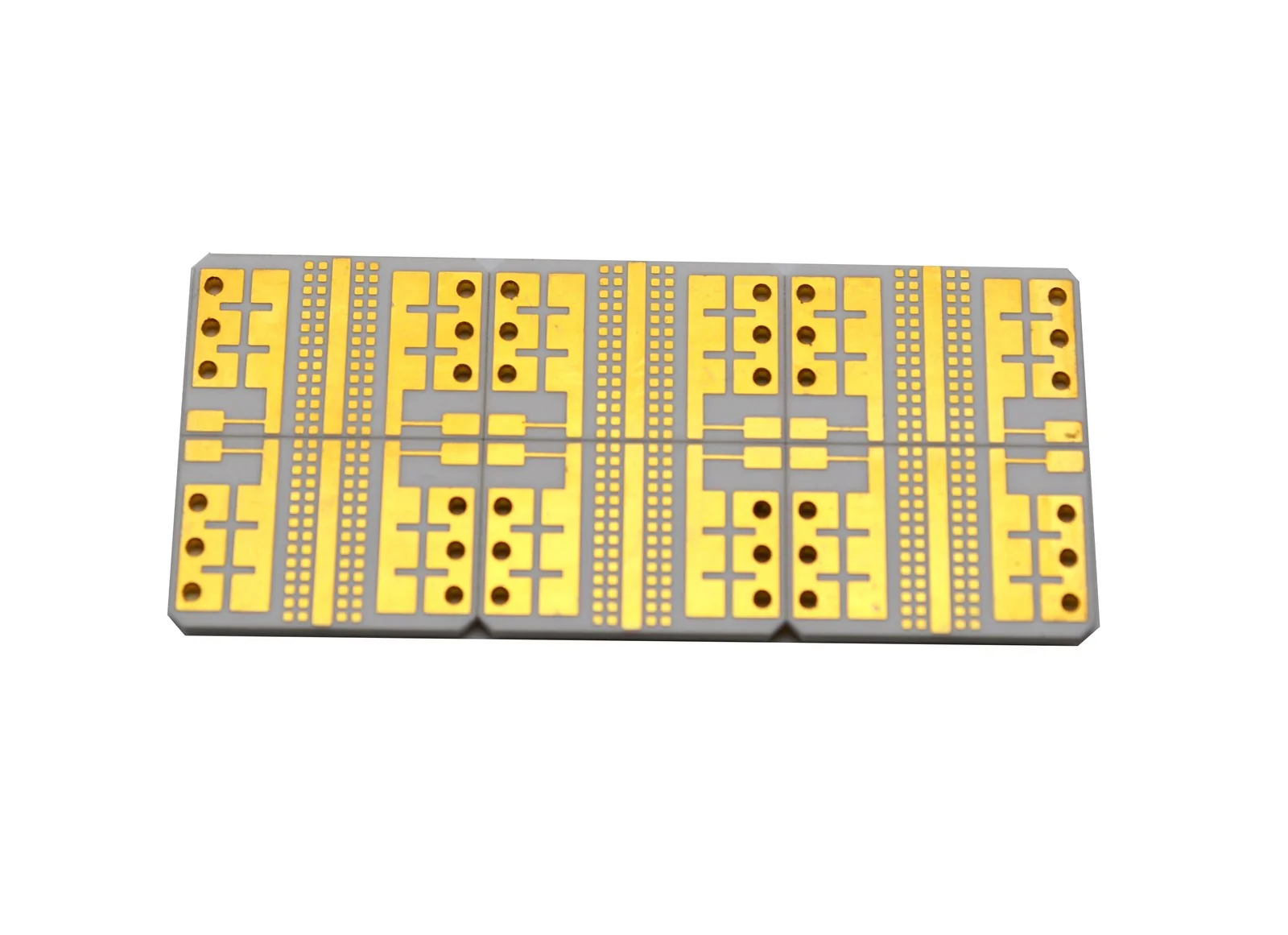
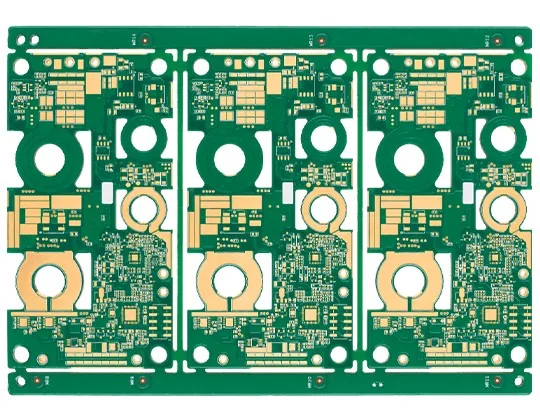
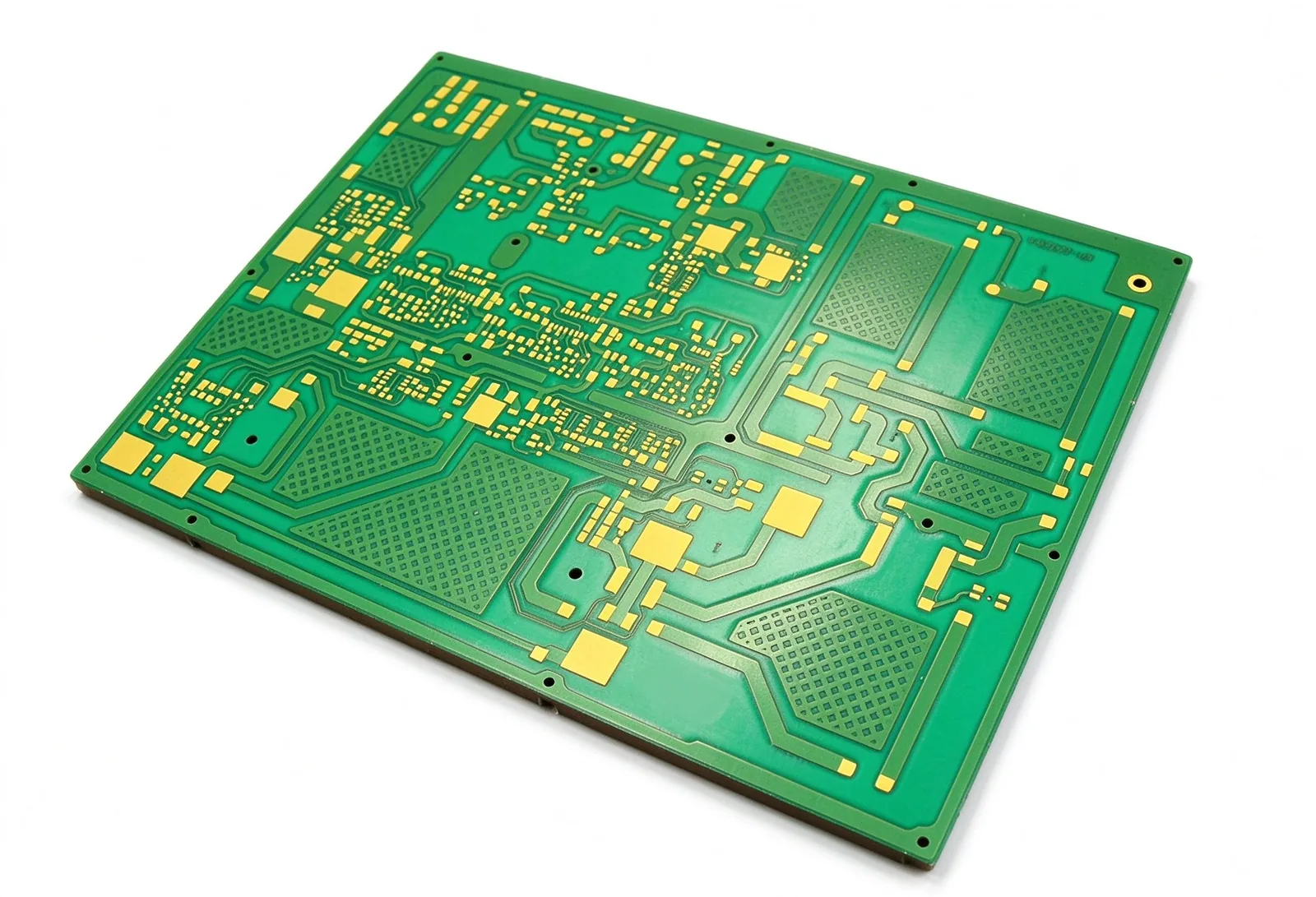
Each board page carries its own capability table and the process window it runs on. Values are the same ones used in quotations, not rounded for display.
Engineering review
Gerbers, stack-up and drill file checked against the process window; conflicts come back as questions, not as scrap.
Fabrication and assembly
One traveller follows the panel from imaging to final assembly, so a hold at any station stops the lot rather than the shipment.
Test and documentation
100% electrical test, coupon data where impedance is specified, and a CoC stating the IPC class before the carton closes.
Fine-pitch placement from 01005, 0.4 mm BGA pitch, with SPI and AOI on the line.
Wave and selective soldering for connectors, transformers and parts that cannot take reflow.
Both processes on one board, with the reflow profile and the second pass planned together.
BOM scrubbed for lifecycle and counterfeits before the line is scheduled, with alternates named.
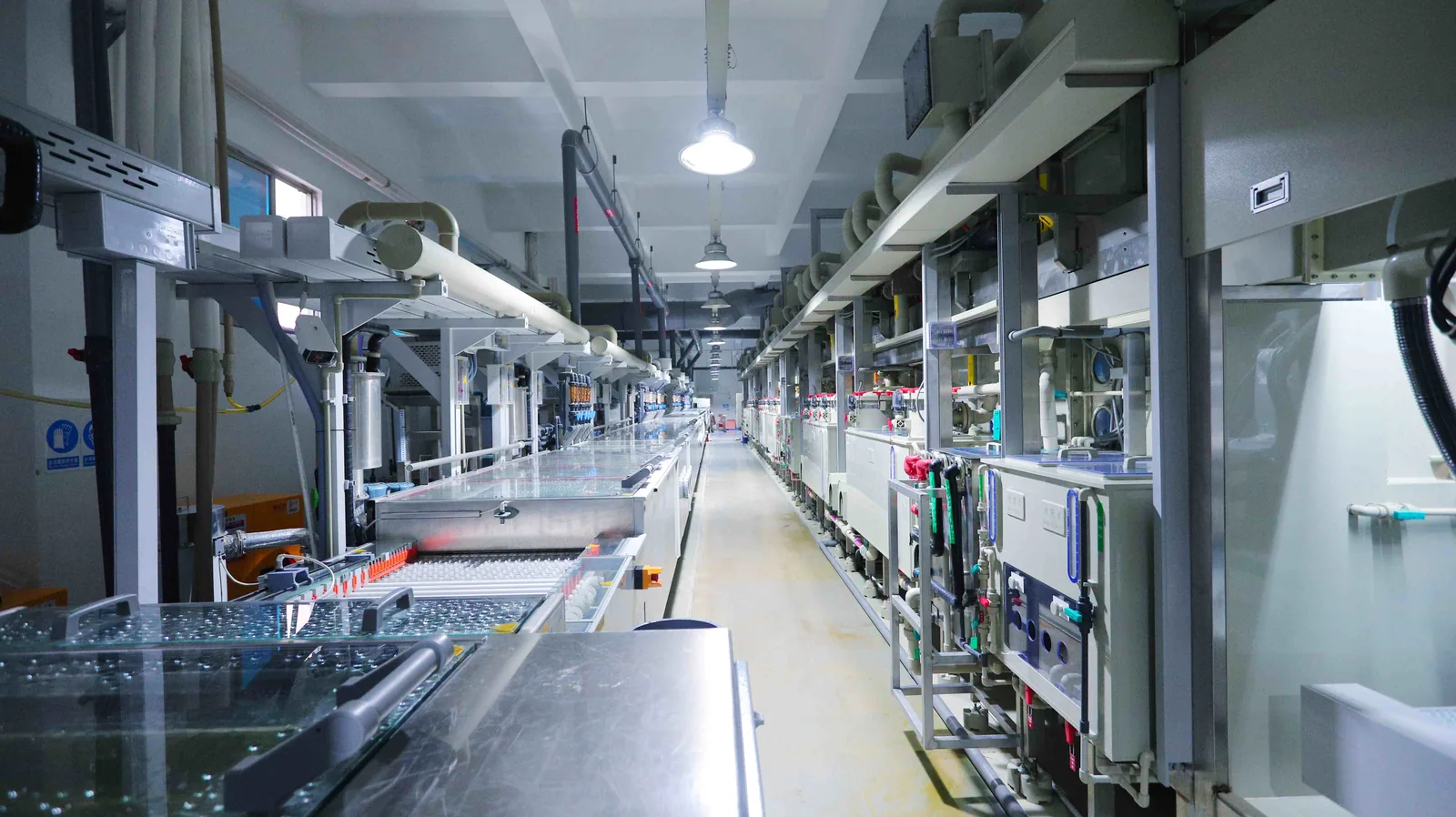
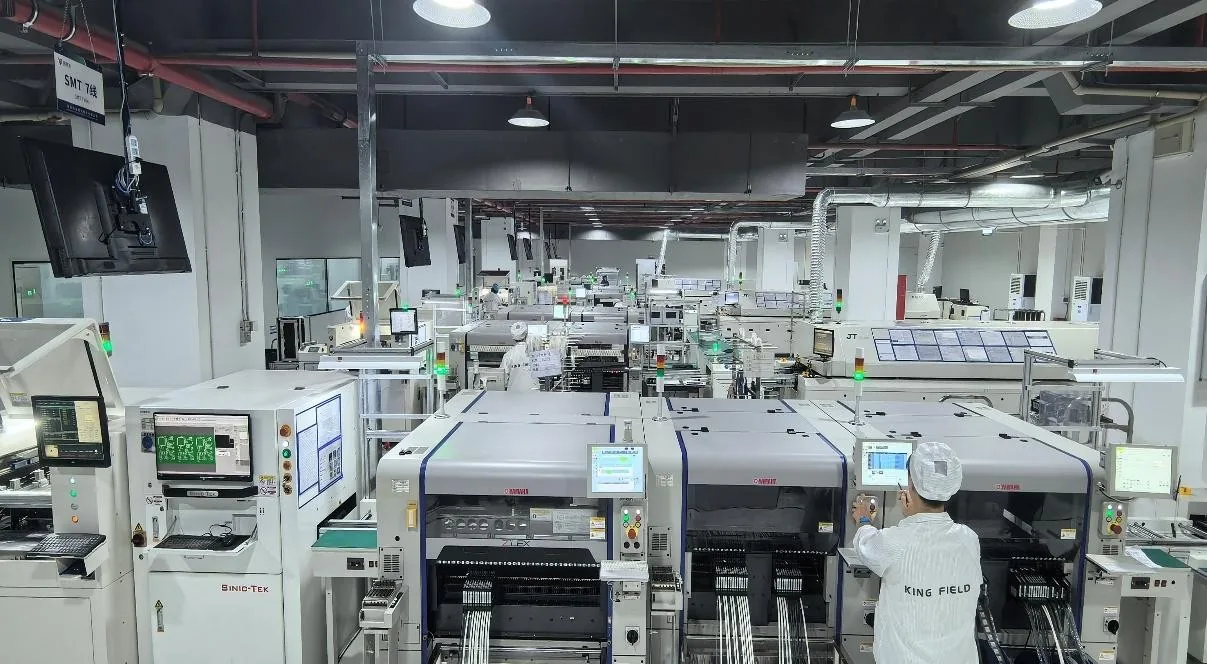
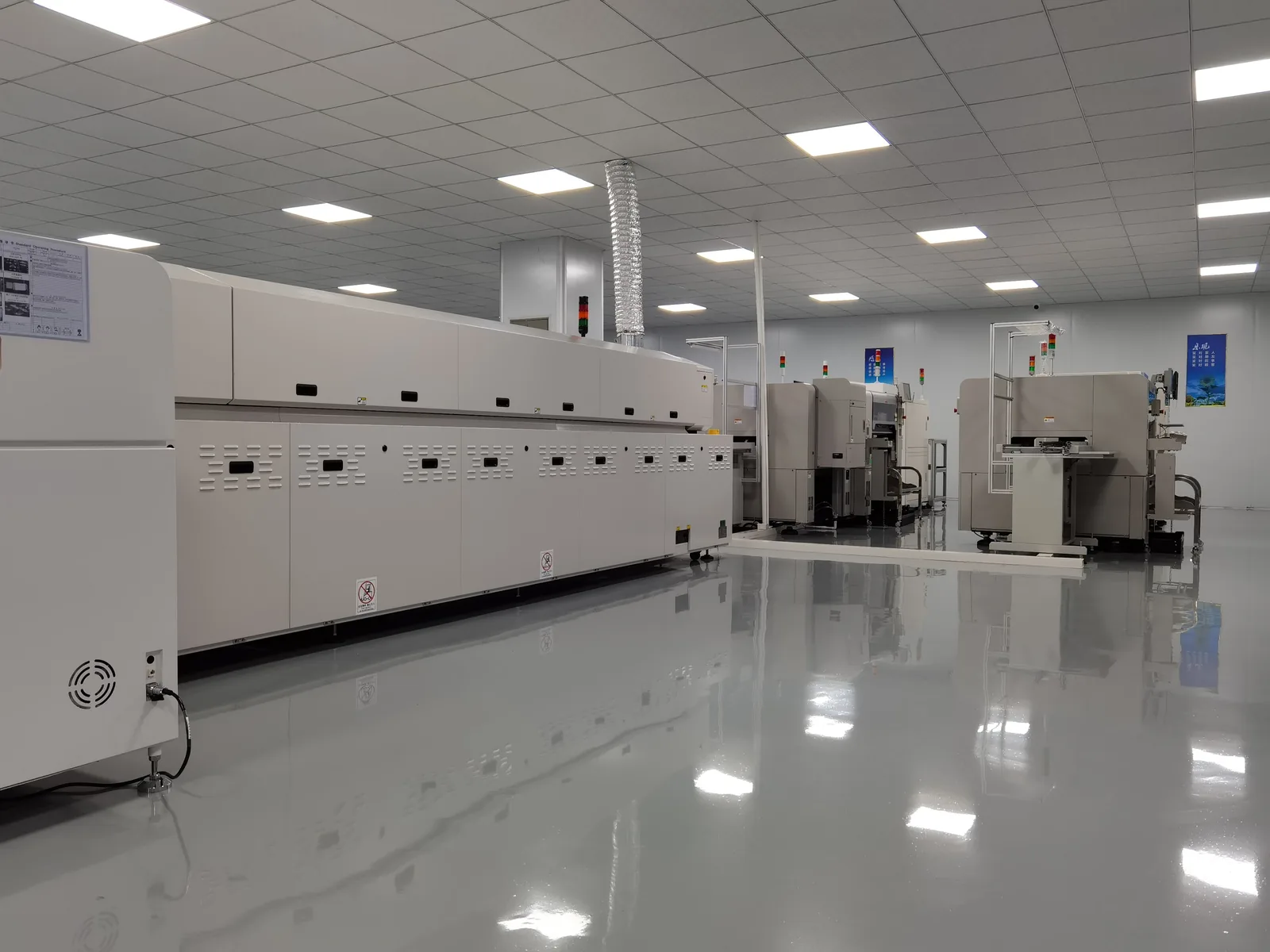
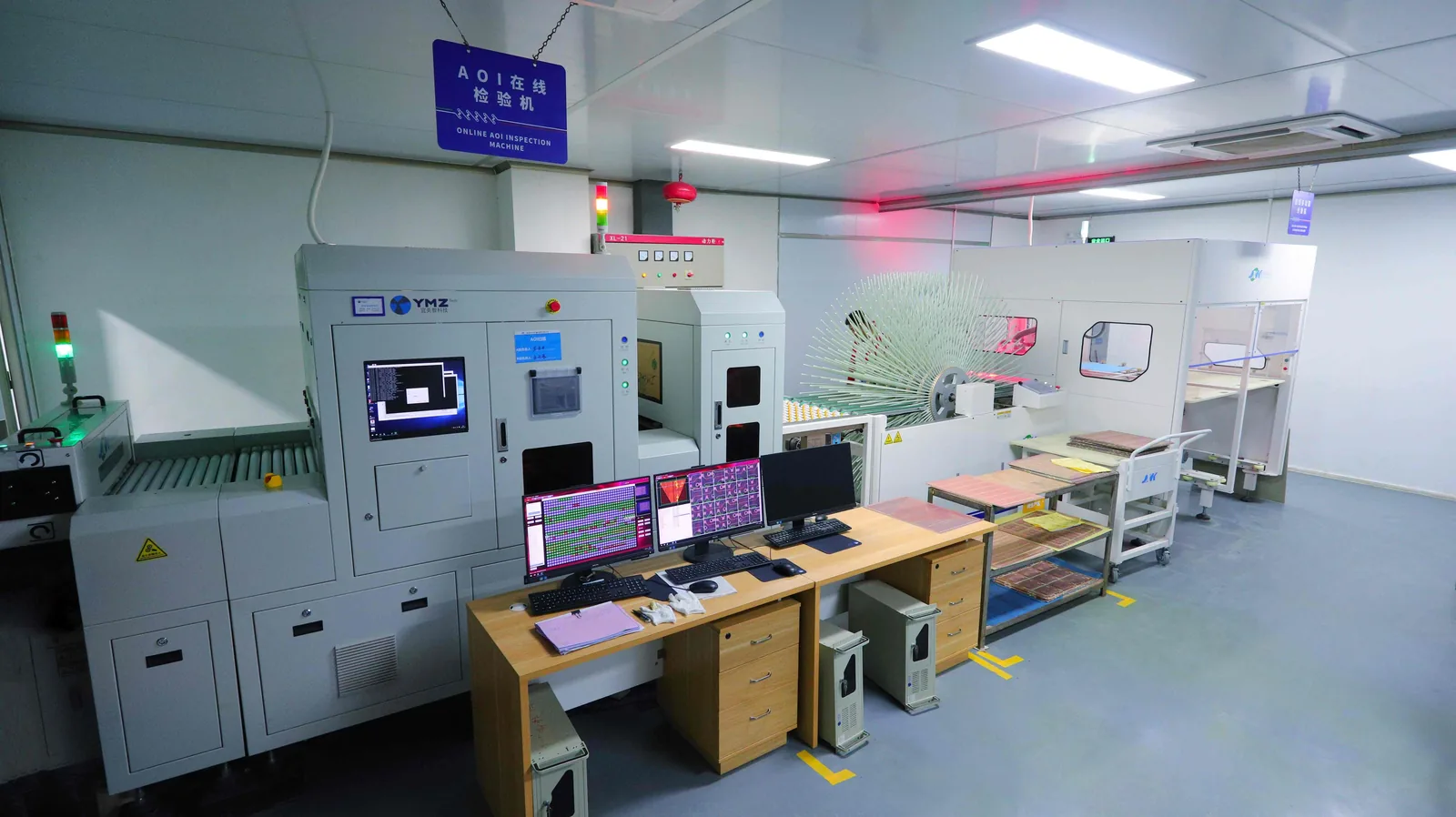







Certificate numbers and expiry dates are supplied with the quotation pack; the systems above are what the audits cover.
A residual stub notches the channel at 36 GHz per millimetre on FR-4, so drill depth is a channel-budget decision before it is a process one.
Read article
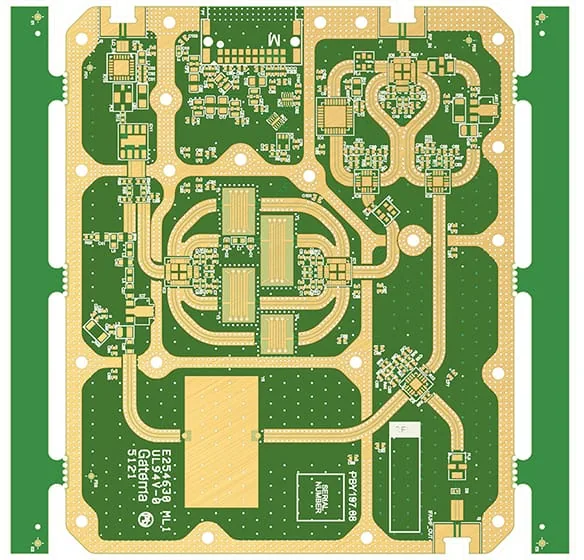
At 3 oz the etchant travels sideways through 105 µm of copper, so the minimum space opens to 0.20 mm and the trace section becomes a trapezoid.
Read article
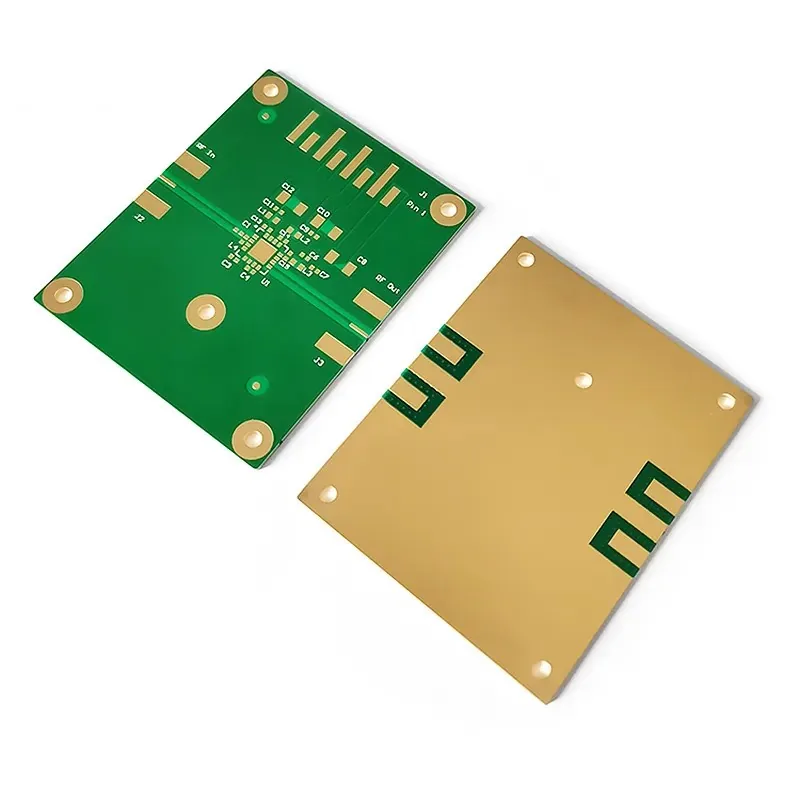
Two resin systems through one press cycle, a 190 °C compromise profile, and why desmear behaves differently on each plastic.
Read article
Gerbers, the stack-up with layer order and copper weights, the drill file, and the finish. For assembly, add the BOM and the pick-and-place file. Missing the stack-up is the usual reason a quote comes back with a question instead of a number.
Prototypes start at one assembly piece, because the line is set up for low volume rather than for panel throughput. PCB quantity is quoted per panel, so a small order is priced on the panel it shares rather than on a fixed minimum.
Quotes go out within 24 hours when the files are complete. What takes longer is the engineering review that follows, and that is deliberate: a quote written before the stack-up is read is a number that gets renegotiated later.
Class 2 is our standard and Class 3 is available on request; the class is stated on the CoC rather than assumed. Class 3 changes the inspection criteria and the acceptable annular ring, so it is quoted as a separate line.
Yes, before files are exchanged if that is what your process requires. Designs are not used as reference work, and photographs of customer boards appear on this site only where the customer has approved them.
Gerbers, stack-up and quantity are enough to start. Quote in 24 hours. Every build runs to IPC Class 2 standard, Class 3 on request.